
Top-Rated Materials For Successful Stone Retaining Wall Projects
Choose from high-quality products designed to provide stability, aesthetic appeal, and ease of installation for your project.
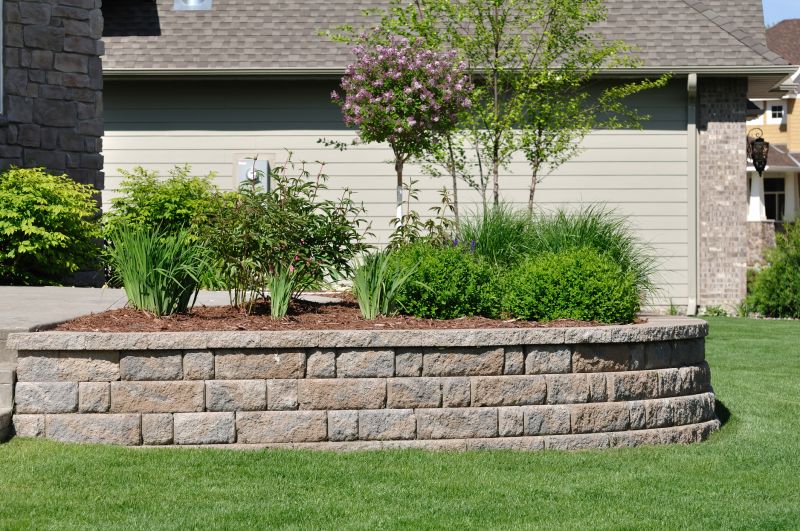 Constructing a stone retaining wall involves a combination of careful planning and the selection of appropriate products to ensure durability and stability. The foundational elements typically include a range of materials designed to withstand the pressure exerted by soil and other environmental factors. These products are available in various forms, from solid concrete blocks to natural stone units, each offering different aesthetic and functional benefits. Proper installation often requires a mix of geogrids, drainage components, and reinforcement materials to create a long-lasting structure.
Top Overall Option
Interlocking Concrete Blocks
Interlocking concrete blocks are widely used for their ease of installation and versatility. They typically feature a modular design that allows for straightforward stacking without the need for mortar, making them suitable for DIY projects and professional installations alike. These blocks come in various sizes, shapes, and textures, providing options for different aesthetic preferences and structural requirements. Their durability and resistance to weathering make them a reliable choice for long-term retention and landscape enhancement.
Types of Products For Stone Retaining Wall Installations
Concrete Blocks
Precast concrete blocks designed for easy stacking and stability, often with interlocking features.
Natural Stone Units
Authentic natural stones that provide a traditional and aesthetic appeal, suitable for rustic designs.
Retaining Wall Mortar
Specialized mortar for bonding stones or blocks, enhancing stability and appearance.
Drainage Pipes
Perforated pipes used to facilitate water movement behind the wall, reducing pressure buildup.
Weep Holes
Openings incorporated into the wall to allow water to escape and prevent hydrostatic pressure.
Geogrids and Reinforcement Fabrics
Materials used to reinforce the soil and improve the structural integrity of the wall.
Backfill Gravel
Gravel used behind the wall to improve drainage and stability.
Edge Restraints
Materials that secure the top edge of the wall and prevent shifting or erosion.
Capstones
Finished stones placed on top of the wall for aesthetic appeal and added protection.
Landscape Fabric
Fabric used to separate soil from backfill, preventing weed growth and maintaining stability.
Adhesive and Bonding Agents
Products that help secure stones or blocks together for enhanced stability.
Drainage Gravel
Gravel specifically used within the backfill to promote water flow and reduce pressure.
Corner Blocks
Specially designed blocks for creating corners and curves in the wall structure.
Flexible Wall Systems
Modular systems that accommodate movement and settling, suitable for uneven terrains.
Erosion Control Mats
Matting materials used to stabilize soil and prevent erosion around the wall.
Soil Stabilizers
Chemical or physical agents used to enhance the cohesion of backfill soil.
Popular Choices
A common choice for their availability and ease of installation, suitable for various project sizes.
Popular for its aesthetic appeal and timeless look, often used in rustic or traditional designs.
Widely used to bond stones or blocks securely, especially in decorative or structural applications.
Essential for managing water behind the wall, helping to maintain structural integrity.
Commonly incorporated to allow water escape, reducing hydrostatic pressure.
Frequently selected for reinforcement, especially in larger or taller walls.
A popular choice for backfill material due to its drainage properties and ease of use.
Aesthetic and functional, capstones are often chosen for finishing the top of the wall.
Commonly used to prevent weed growth and soil mixing behind the wall.
Popular for securing the top edge and preventing erosion or shifting.
Often used in hillside projects to stabilize soil and prevent erosion.
Chosen for enhancing backfill cohesion, especially in challenging soil conditions.
Trending for their adaptability to uneven terrain and movement.
Frequently used for creating clean corners and curves in the wall design.
Popular for securing stones or blocks in decorative or structural applications.
Commonly used in backfill to facilitate water movement and reduce pressure.
Chosen for aesthetic appeal and a natural look in decorative projects.
The core of any successful stone retaining wall installation is selecting materials that fit the specific needs of the site, including soil type, slope, and load requirements. For example, interlocking blocks can provide easy stacking and alignment, while mortar or adhesive products may be used for more permanent bonding. Drainage is another critical consideration; products like weep holes, gravel backfill, and drainage pipes help manage water pressure and prevent structural failure. Additionally, edge restraints and capstones are often used to finish the wall for both aesthetic appeal and added stability.
When planning a project, it is essential to consider the environmental conditions, such as freeze-thaw cycles, moisture levels, and soil movement, which can influence product selection. Investing in high-quality, compatible products can facilitate smoother installation and better long-term performance. Whether constructing a small garden border or a large hillside retaining wall, choosing the right combination of materials ensures the structure will perform as intended over time. Properly selected and installed products contribute not only to the strength of the wall but also to its visual appeal, blending functionality with design.
Overall, a successful stone retaining wall installation relies on understanding the different product options and their roles within the construction process. From foundational blocks to finishing touches, each component plays a vital part in creating a stable and attractive feature that enhances the landscape. Careful consideration of the materials and their compatibility can lead to a more straightforward installation process and a durable outcome that meets the needs of the site and aesthetic preferences.
Key Buying Considerations
- Assess the load-bearing requirements based on the height and purpose of the wall.
- Consider the type of soil and drainage needs to select appropriate materials.
- Evaluate the aesthetic style and how it complements the surrounding landscape.
- Check compatibility of different products to ensure cohesive installation.
- Determine whether the project requires reinforcement or geogrids for stability.
- Review the local climate and weather conditions that may affect material durability.
- Estimate the project size to select the correct quantity and type of materials.
- Look for products with proven resistance to weathering and erosion.
- Consider ease of installation, especially for DIY projects or limited access sites.
- Factor in long-term maintenance requirements and accessibility.
- Choose products that provide adequate water management features like drainage options.
- Evaluate the availability of accessories such as caps, restraints, and adhesives.
- Review product warranties or guarantees for added peace of mind.
- Think about the environmental conditions that could influence material performance.
- Ensure safety features are incorporated, especially for taller or complex walls.