Optimal Timing for Stone Retaining Walls
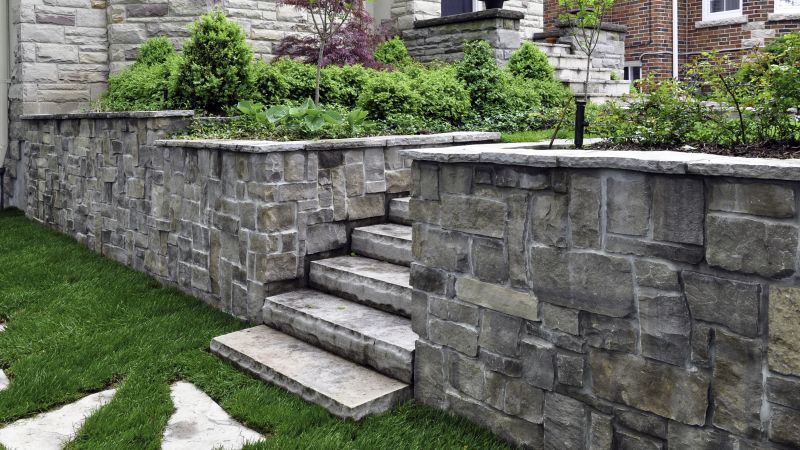
Spring provides moderate temperatures and stable soil conditions, ideal for construction projects.
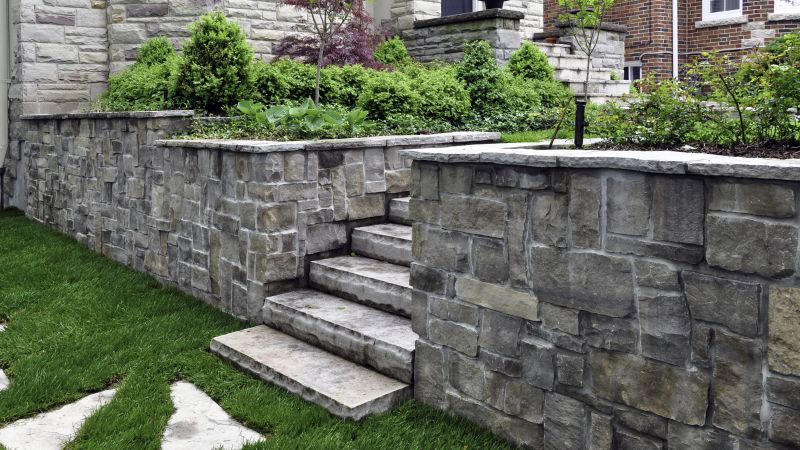
Summer offers longer daylight hours, but high temperatures can impact work conditions and curing times.
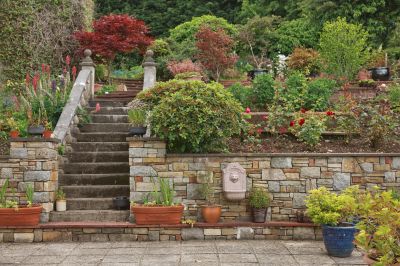
Fall features cooler weather and less rainfall, making it suitable for outdoor stone work.
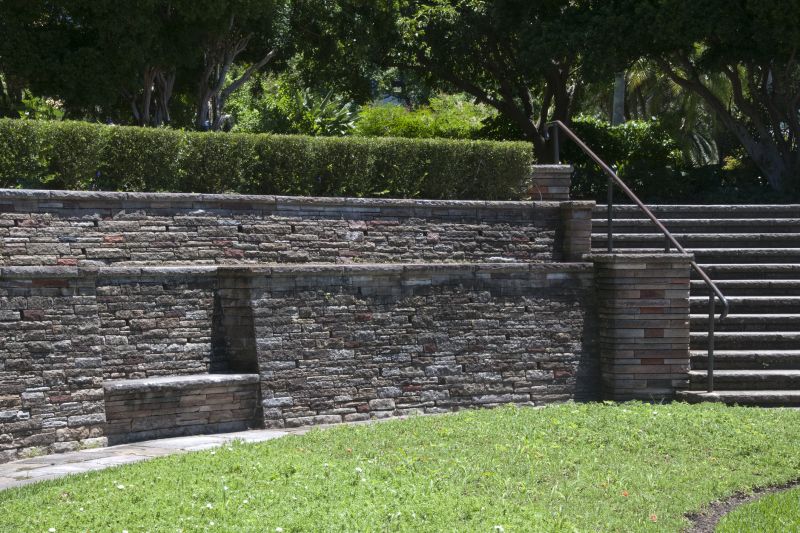
Ways to make Stone Retaining Wall Installations work in tight or awkward layouts.
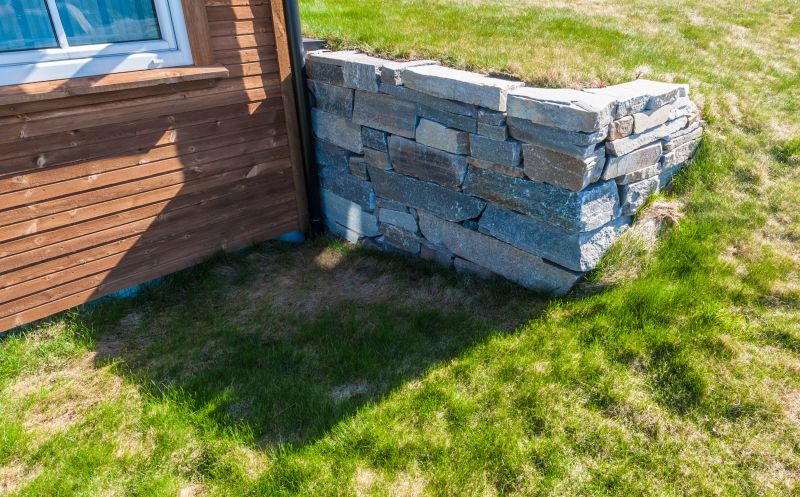
Popular materials for Stone Retaining Wall Installations and why they hold up over time.
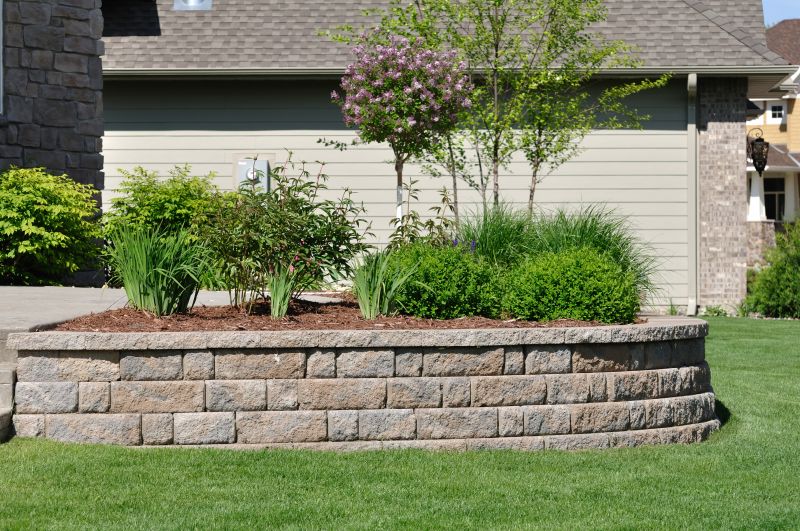
Simple add-ons that improve Stone Retaining Wall Installations without blowing the budget.
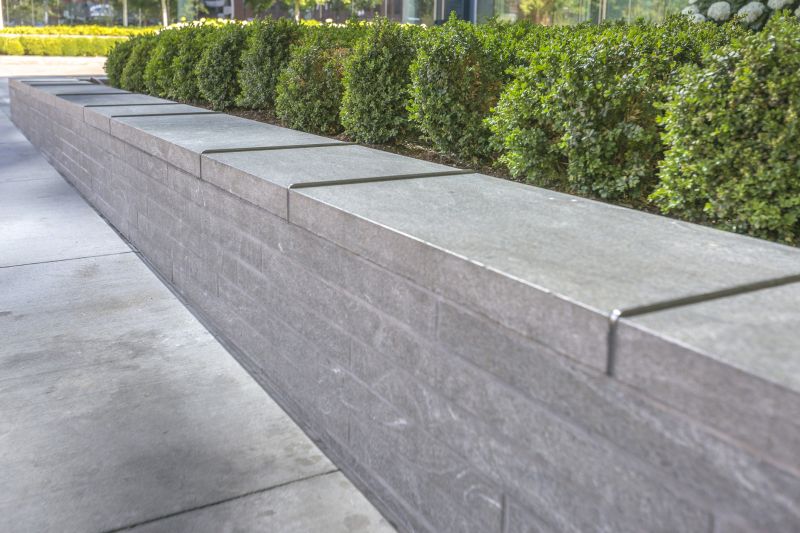
High-end options that actually feel worth it for Stone Retaining Wall Installations.
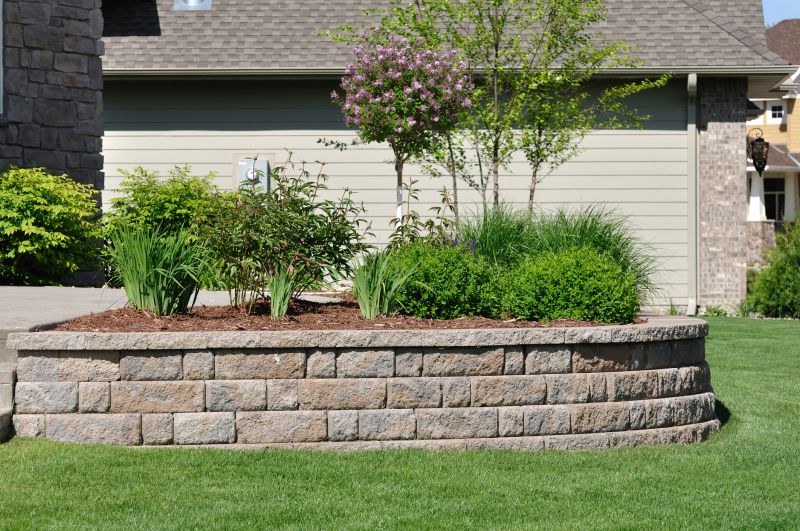
Finishes and colors that play nicely with Stone Retaining Wall Installations.
Stone retaining wall installations are a popular choice for erosion control, landscape enhancement, and property stabilization. Proper timing can influence the durability and quality of the construction. Typically, the best periods are during moderate weather conditions that reduce the risk of soil saturation and temperature extremes, which can affect mortar setting and stone stability.
Optimal installation seasons often include spring and fall, when soil moisture levels are balanced and temperatures are conducive to curing. Installing during these times minimizes delays caused by weather disruptions and ensures the longevity of the structure. Accurate planning based on local climate patterns can lead to more efficient project completion and better results.
Avoid installation during heavy rain, snow, or extreme heat to prevent soil instability and material issues.
Dry, stable soil enhances foundation integrity and reduces settlement risks.
Temperatures between 50-85°F support proper curing of mortar and adhesive materials.
Scheduling during favorable weather reduces delays and enhances quality control.
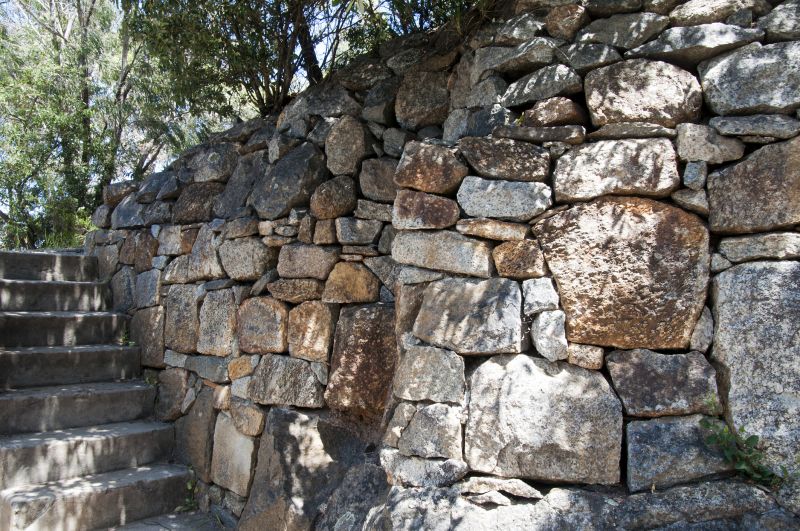
Ideal for new installations due to moderate temperatures.
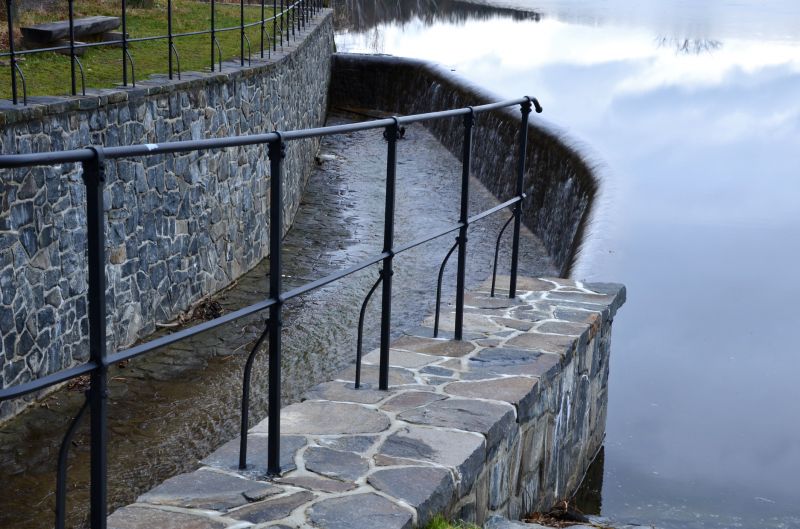
Suitable for completing projects before winter.
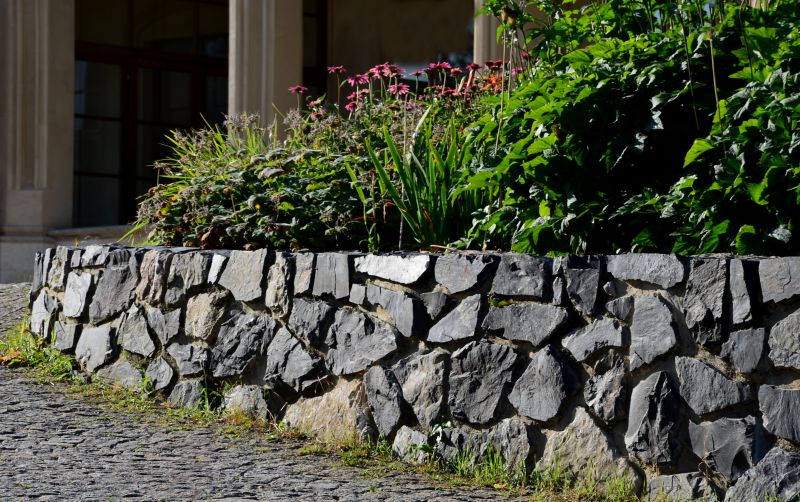
High temperatures require adjustments in work hours and hydration.
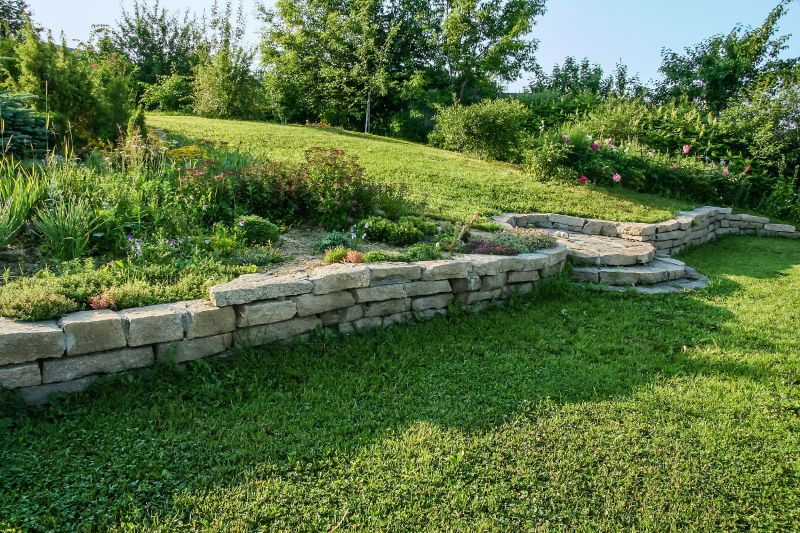
Limited in most regions due to cold and snow, but possible with proper planning.
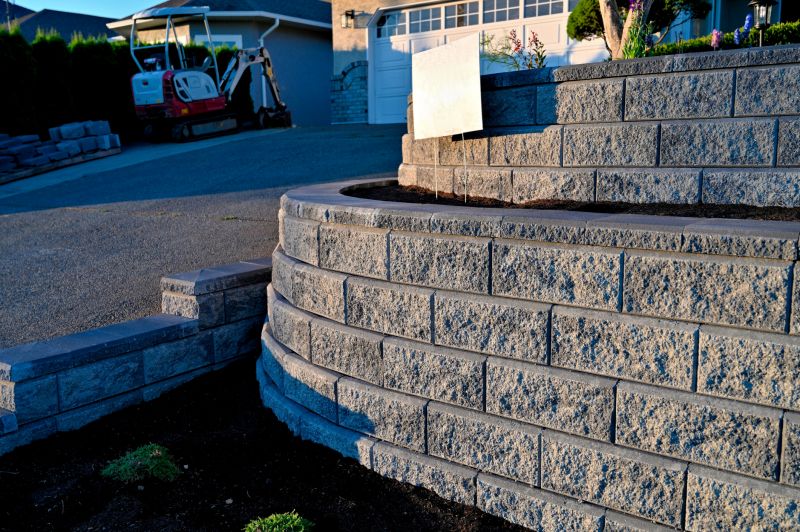
Little measurements that prevent headaches on Stone Retaining Wall Installations day.
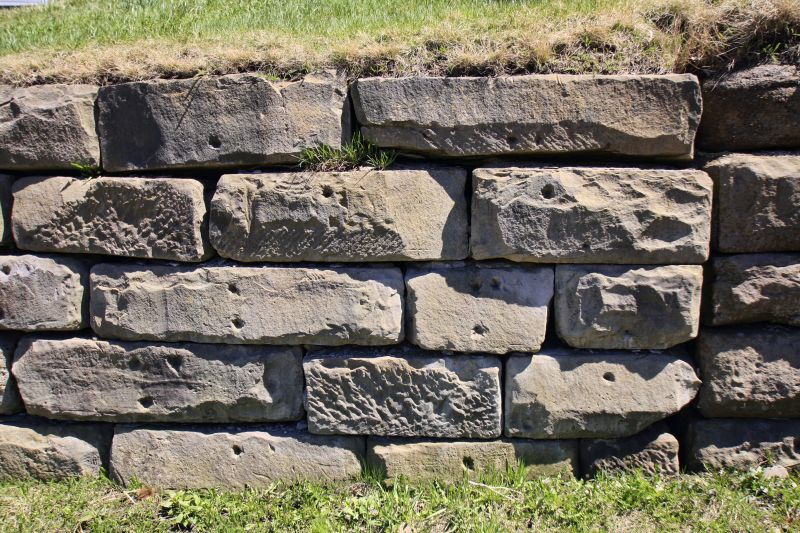
A 60-second routine that keeps Stone Retaining Wall Installations looking new.
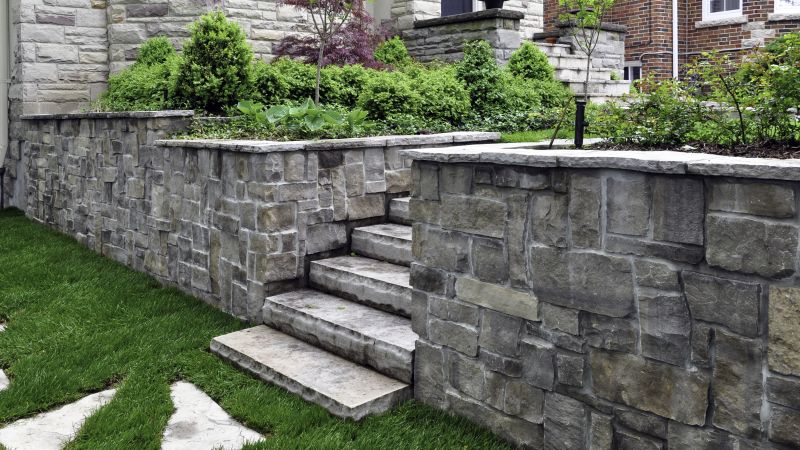
A frequent mistake in Stone Retaining Wall Installations and how to dodge it.
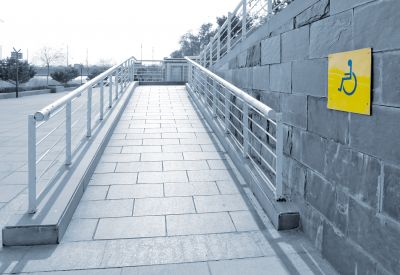
Small tweaks to make Stone Retaining Wall Installations safer and easier to use.
| Season | Advantages |
|---|---|
| Spring | Moderate temperatures, soil conditions ideal for curing |
| Summer | Longer daylight hours, but risk of heat stress |
| Fall | Cooler weather, less rainfall, good for installation |
| Winter | Limited in cold regions, requires planning and protection |
Understanding the seasonal factors affecting stone retaining wall installations can improve project outcomes. Proper timing ensures the structural integrity and aesthetic appeal of the wall, while also reducing potential delays and additional costs. Consulting with experienced professionals can help determine the most suitable time for each specific location and project scope.
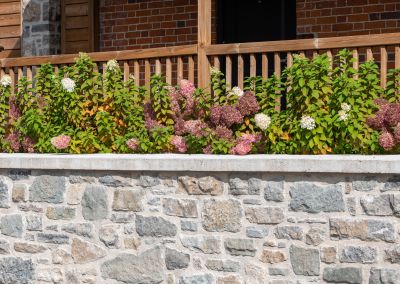
Spring offers optimal conditions for foundation work and stone placement.
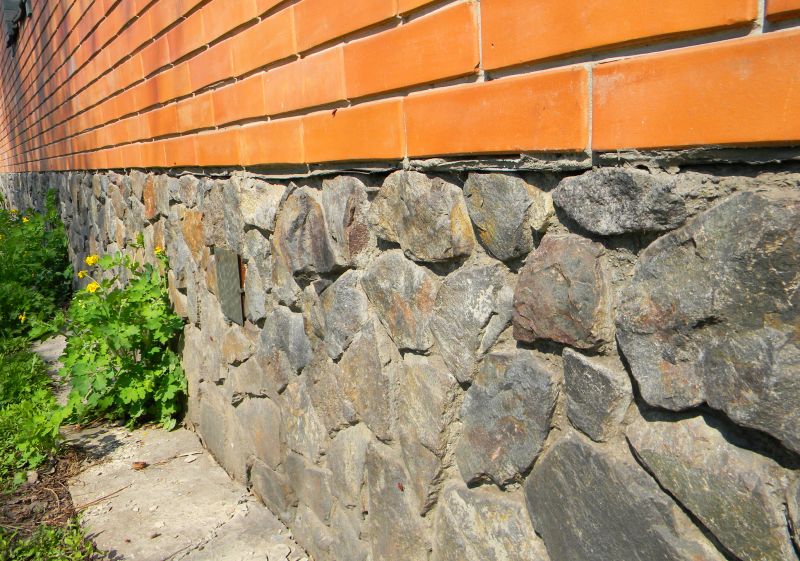
Favorable weather reduces risks and supports mortar curing.
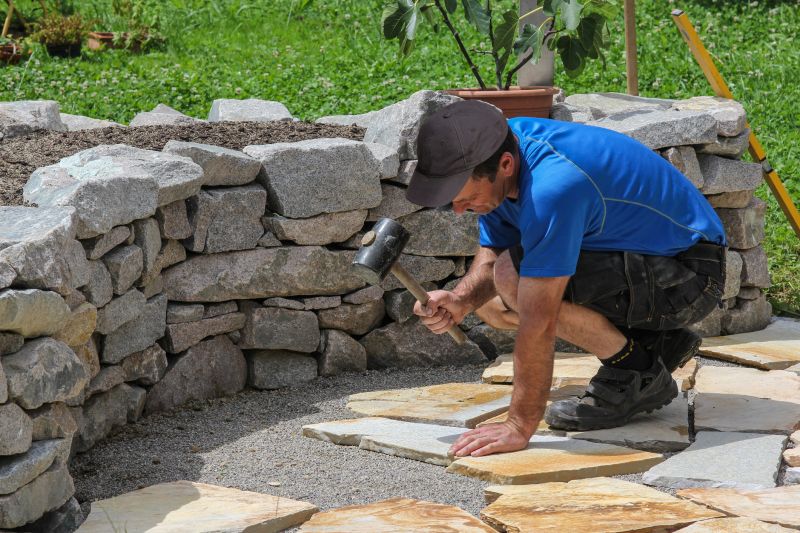
Work hours may need to be adjusted to avoid peak heat.
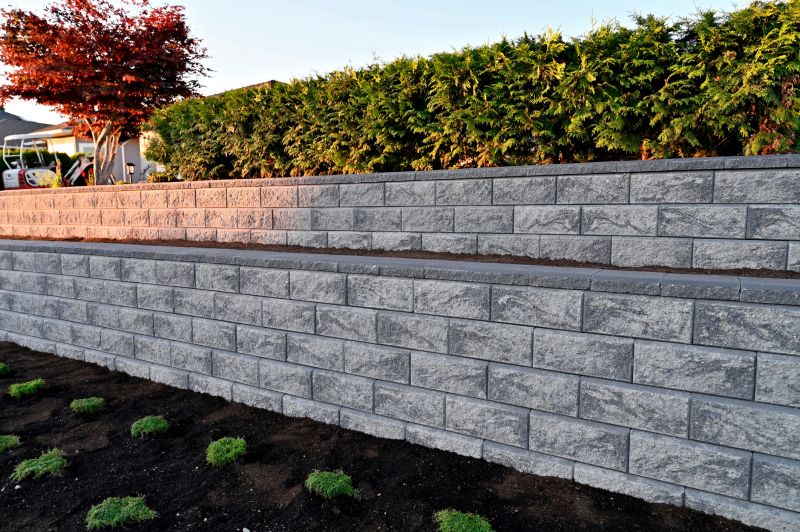
Requires additional measures such as site protection and heating.
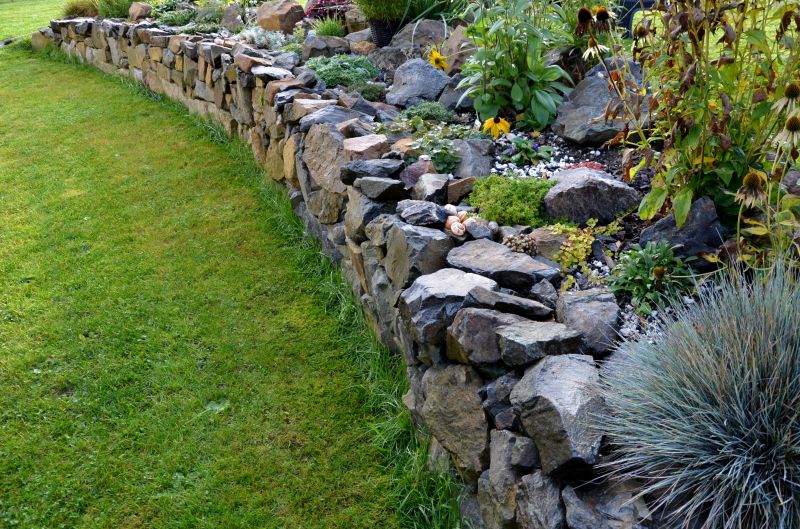
Lower-waste or water-saving choices for Stone Retaining Wall Installations.
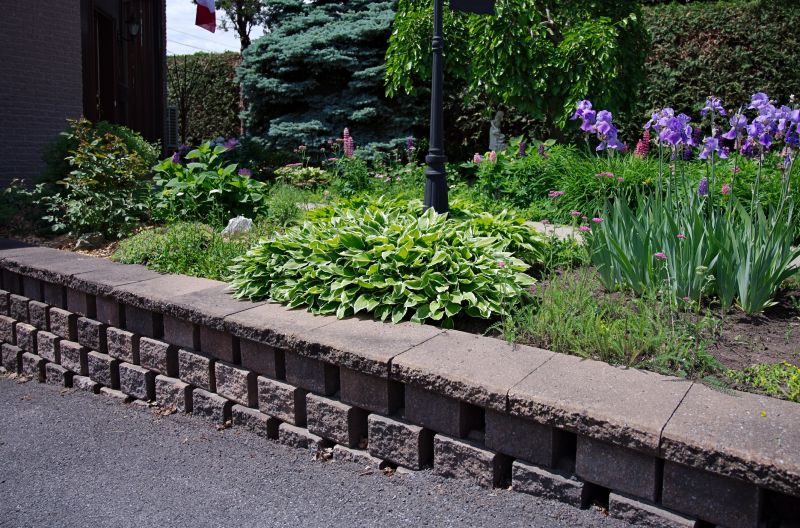
The short, realistic tool list for quality Stone Retaining Wall Installations.
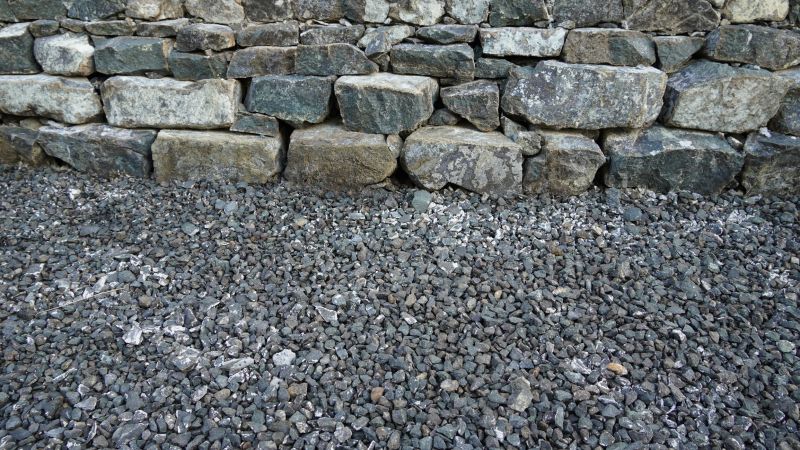
Rough timing from prep to clean-up for Stone Retaining Wall Installations.
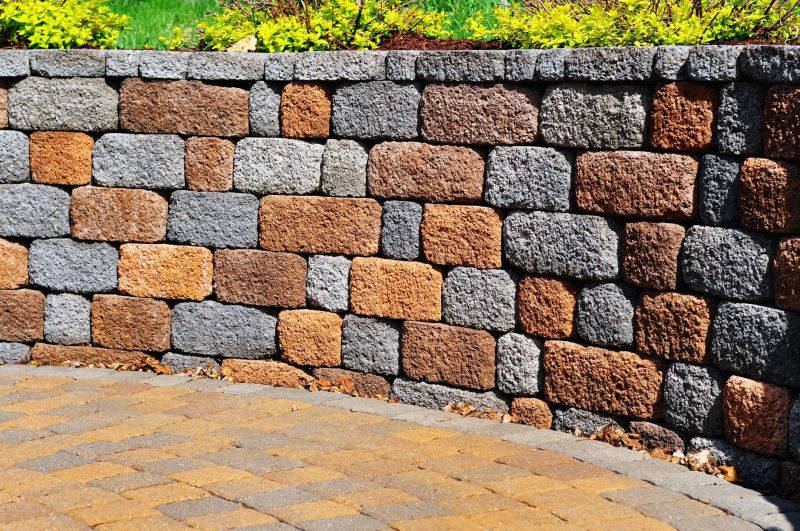
Quick checks and paperwork to keep after Stone Retaining Wall Installations.
Interested in stone retaining wall installations? Filling out the contact form can provide tailored advice on the optimal timing for specific projects and locations, ensuring the best possible results.